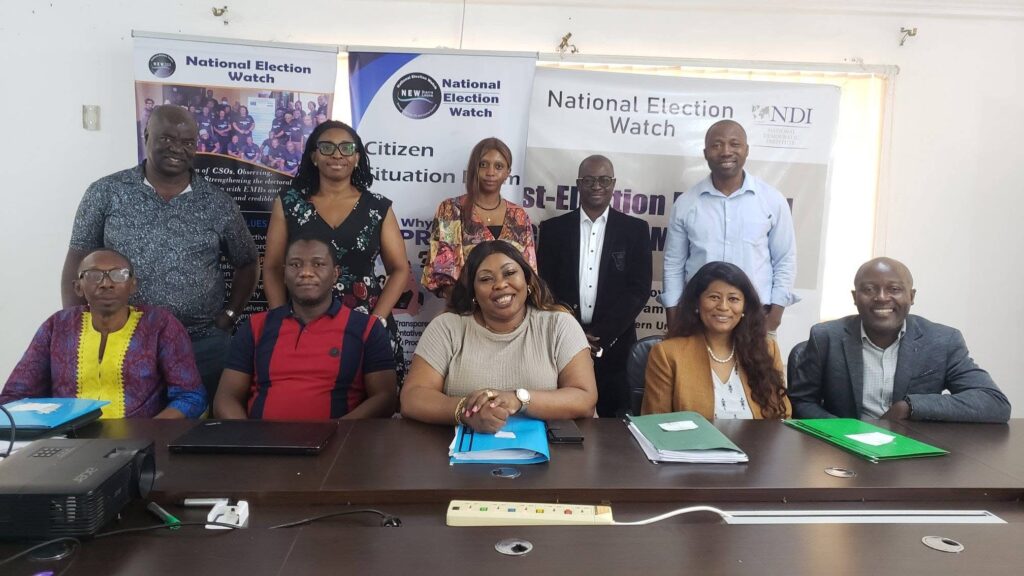
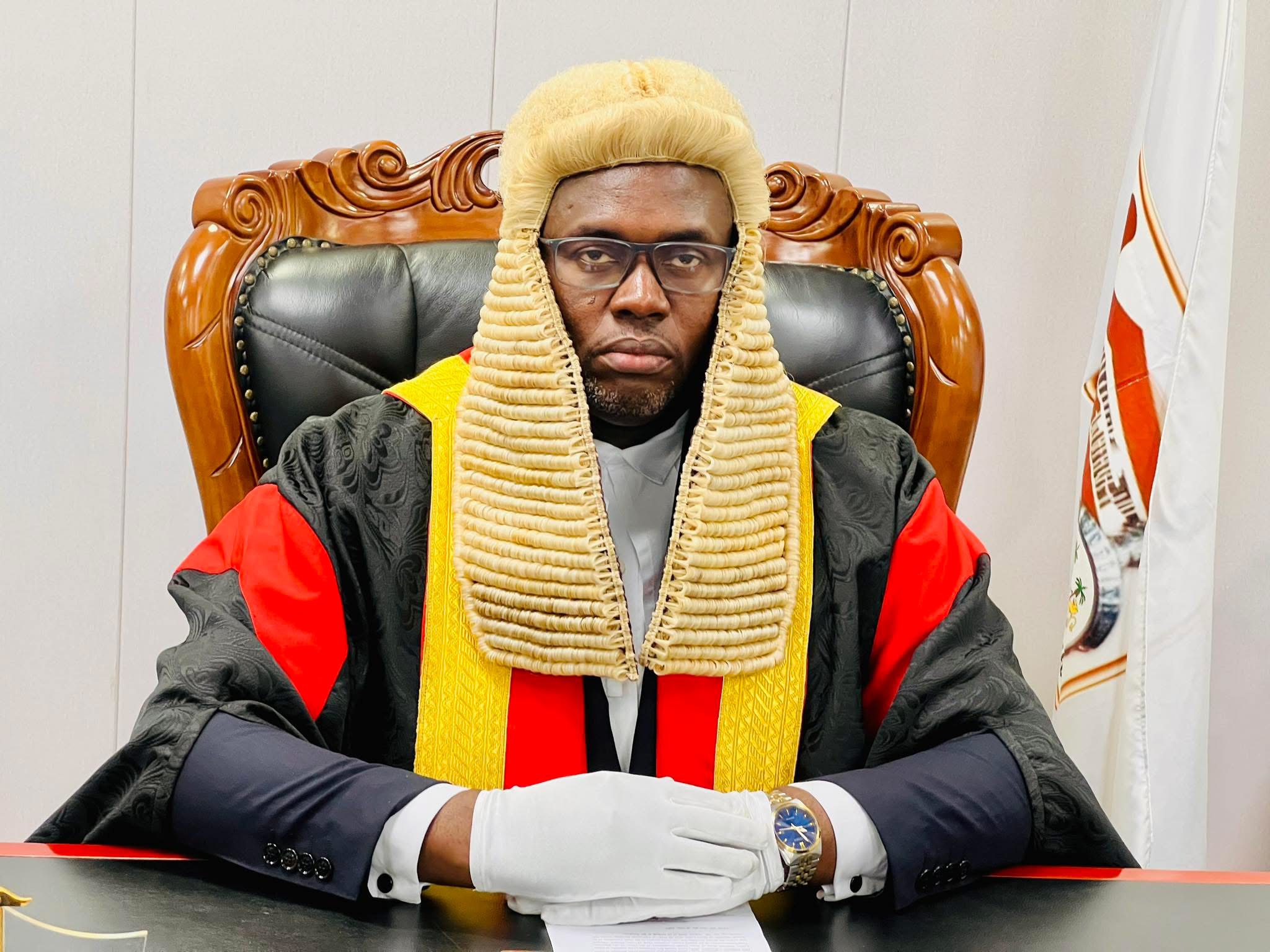
In an unprecedented and controversial move, Parliament this week decided to set up a special committee to investigate National Elections Watch (NEW), a large coalition of civil society organisations and the country’s leading election observer body. The motion was introduced by two ruling Sierra Leone People’s Party (SLPP) members, Mustapha Sellu and Ambrose Lebby, and adopted by a largely SLPP-dominated Parliament, as the opposition All People’s Congress (APC) continued its boycott of elected duties.
Parliament’s decision to go after NEW marks a significant development in the country’s civic and political space, which some have warned is shrinking. It has far-reaching implications for transparency and accountability in elections, a fundamental pillar of democracy. While NEW enjoys the support of other civil society groups in Sierra Leone and abroad, including the Global Network of Domestic Election Monitors (GNDEM), and even as we note that the Speaker of Parliament has suspended the motion, it is important to unpack this bold move by questioning its motive, intent, and ramifications.
A bit of context and a recap of the build-up are helpful places to start understanding how we got here. It all goes back to the 2023 elections, when NEW’s data and projections varied significantly from the results released by the Electoral Commission of Sierra Leone (ECSL), which gave President Julius Maada Bio and his SLPP a first-ballot victory in the presidential elections. That was NEW’s “original sin.” And since then, the group’s relationship with the governing party has not been at its best—for want of a better description. The group’s leadership, including Chairperson Marcella Samba Sesay and Reverend James Lahai, has also been vocal about proposed constitutional changes, doing so with their usual frankness, which often makes power uncomfortable.
Some of the most recent attacks on NEW have come from top members of the ruling party, including Deputy Speaker of Parliament Ibrahim Tawa Conteh, who suggested that NEW’s conduct in 2023 was intended to destabilise the country.
One can see why the ruling party and its supporters are upset with NEW. The 2023 polls were eventful, with allegations of rigging. The Electoral Commission declared a winner under controversial circumstances, and before that, NEW boldly released projections that were in sync with other observer groups but at stark variance with the Commission’s figures, casting doubt on the results. Apparently, it was NEW’s fault that their numbers did not match ECSL’s, which has declined to release detailed figures for public scrutiny and verification. It is not hard to see why the SLPP is upset—but how is it NEW’s fault? NEW has observed elections in Sierra Leone since 2002, and this is the first time the coalition is coming under such brazen attacks from politicians.
What is the motive here? It is a question worth pondering, even if we cannot arrive at a clear and definitive answer. There are only a few ways to look at this. We have heard allegations from another group that reportedly wrote a complaint to Parliament against NEW. Some argue that, as much as NEW works to bring transparency and credibility to democratic processes, it must also be transparent itself. That is a fair point. On the other hand, there is a counterargument that these attacks are a calculated attempt to target the most credible domestic election observer group in the country at a time when discussions around a new constitution are ongoing and as the country gears up for the 2028 elections, which already feels like they are happening tomorrow. When top politicians, including elected officials, use their positions in seemingly calculated, sustained, and systematic ways, including parliamentary powers, to go after civil society groups like NEW, it becomes difficult to rule out intimidation.
This country faces persistent governance and service delivery shortcomings. We are grappling with a drug epidemic that Parliament has been either quiet or insufficiently vocal about. At the height of the Kush crisis, no parliamentary investigation was even proposed. We endure prolonged power outages, affecting hospitals, endangering and even costing lives. We have been on a US visa ban list for several months, splitting families, disrupting studies, and hurting businesses. Our streets have become a graveyard, with young people dying in plain sight, their bodies sometimes left unattended. Most roads in Freetown, except for a few newly constructed ones, are in deplorable condition. The poverty visible across the city is stark and impossible to escape.
There have been numerous scandals and controversial agreements, some of which have passed through Parliament and been ratified. We are signing health agreements with the United States, yet citizens don’t even know what their government is agreeing to. There are countless issues demanding urgent attention from political leaders and service providers. It is in these circumstances that we need Parliament to step in, ask the right questions, and use its powers (not to target civil society)to ensure basic services function effectively. Ministers are rarely summoned to explain failures. Some service providers operate with dangerous levels of negligence, yet Parliament does not intervene. We have dead bodies on the streets, and one wonders why Parliament cannot summon those responsible to account for such gross failures. With its oversight and accountability powers, Parliament can support the Executive and improve service delivery.
So, when honourable members at Tower Hill ignore pressing national issues and instead dedicate time to NEW, it becomes increasingly difficult to rule out harassment and intimidation. When politicians speak, their followers do more than listen. They act. This has already manifested in the harassment and intimidation of NEW’s leadership, who have faced online abuse from supporters of the ruling party.
What does all this mean for our democracy? We have a young democracy that has yet to grow beyond the threshold of peaceful transfers of power. Developments like these undermine our ability to hold elections that are widely accepted and credible. The peaceful transfer of power is something we take pride in, but at this rate, even that becomes uncertain. Independent institutions like NEW, which contribute to transparent and fair elections, risk being weakened and their leaders frustrated. If that is the idea behind these attacks, it is a very bad one. Strong democratic systems benefit everyone. They may not work in your favour today, but they certainly will tomorrow.
Happy Easter!
 Download Article as PDF