
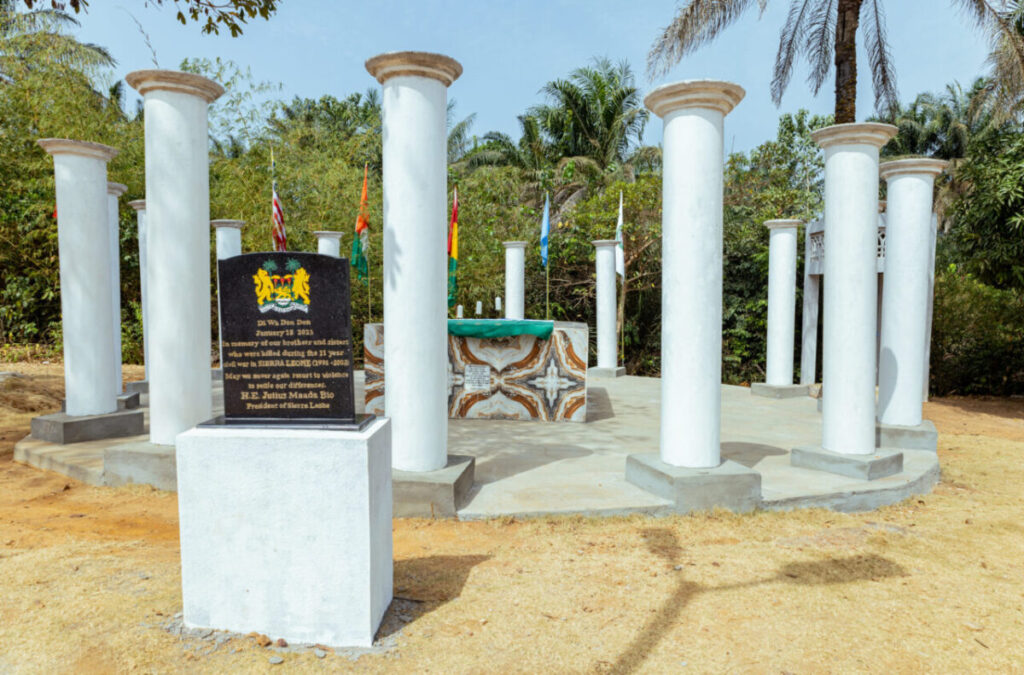
January 18th is Remembrance Day in Sierra Leone. Close to two and a half decades after the brutal civil war ended, the country has now set aside a day dedicated to remembering the horror and reflecting on its torrid past.
While this is a welcome first step and long overdue, we must remind ourselves that remembrance is not an event. It is a consciousness and a culture that is developed over time. Sadly, we have not done a good job of imbuing this. Since the end of the war, the State has invested little attention and resources in creating, marking, and preserving sites that would remind and teach us about our past. Schools do not adequately teach young people about the war and other significant historical events, whether through the curriculum or otherwise. When history is taught, it is often done in superficial ways that serve the purpose of passing examinations rather than fostering debate, learning, and consciousness.
Ask a secondary school student today about the civil war, or even events that happened long before, and their recollection will likely be vague, shallow, or non-existent. Even university students struggle to make a sensible analysis of the war beyond what they need to pass exams. That is how short our collective memory is, and that is how grim the picture looks.
Let us look at what we currently have by way of museums and memorials. The National Museum is, quite frankly, nothing to write home about, and the Peace Museum at the old Special Court premises is disgraceful. For a country that went through eleven bloody years of conflict, we must have something better to show younger generations and visitors about what really happened. There is no intention of drawing comparisons with other societies, but the people who run this country have travelled widely enough to see and learn how remembrance and memorialisation are done elsewhere: carefully curated, well thought through, seriously invested in, and worthwhile. If nothing else, this is how we properly honour the dead, enable reflection, and educate our young people. When we say, “never again,” there must be visible memorials that truly capture what happened.
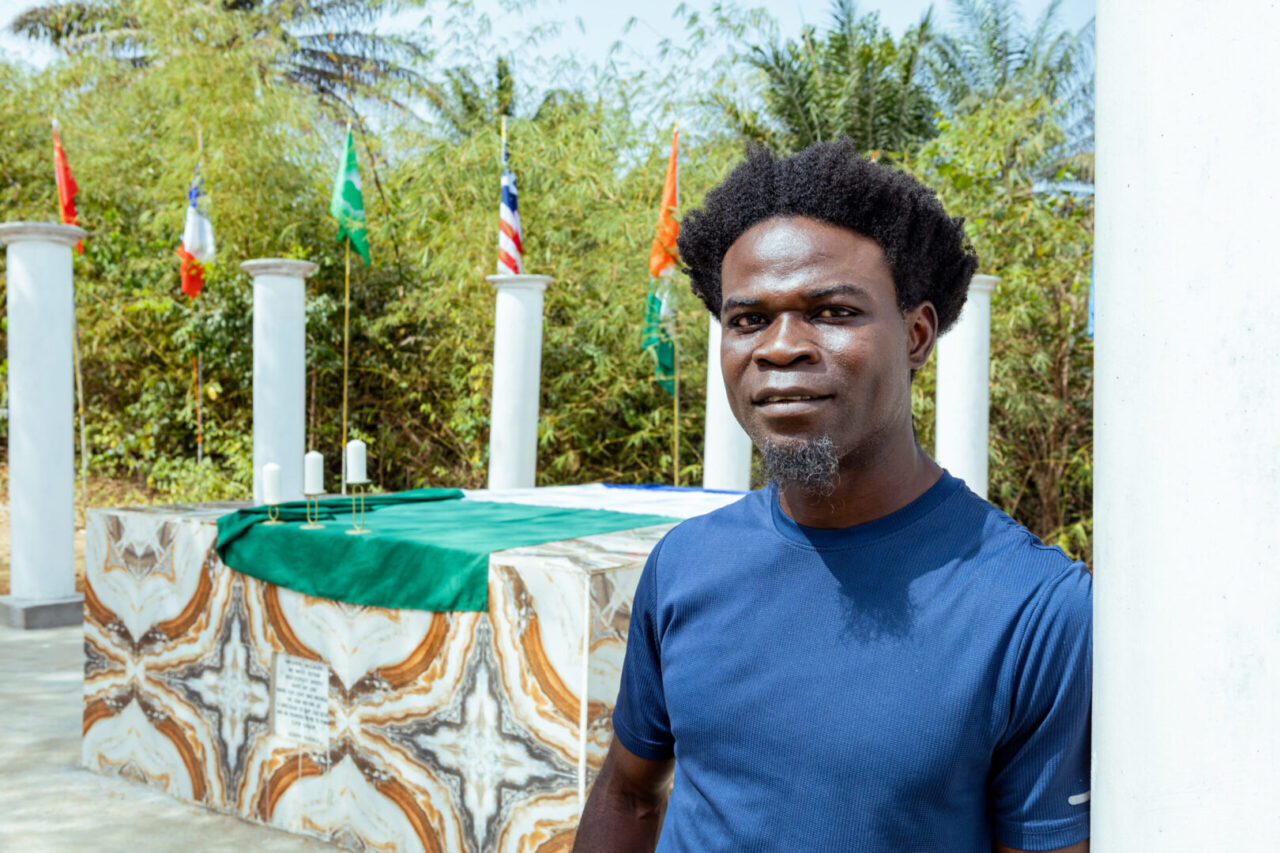
While successive governments have failed to invest in remembrance and memorialisation, one man, Joseph Kaifala of the Centre for Memory and Reparations, has been making commendable efforts to save a significant part of our history and highlight the need for memorialisation. Kudos to him. This, however, cannot be the work of a single passionate individual. The State cannot outsource such an important function to private citizens and leave them to struggle with it.
Our inability to take remembrance seriously goes beyond the Civil War. Sierra Leone has an incredibly rich history on many fronts. From slavery to the colonial period and even way earlier. Whether we like it or not, this history is part of who we are, and we have a responsibility to preserve and teach it in ways that benefit citizens. How many professional historians do we have today? Are we training and equipping the people who are meant to record and tell our story? When the Joe A.D. Alies and Ibrahim Abdullahs of this world eventually retire, who will step into their big shoes?
So, while Remembrance Day is an important step that will hopefully move us in the right direction, the State must back this presidential pronouncement with intentional and concrete actions. What would be unhelpful is to gather every year, wear white ribbons, and hold events where speeches are made without serious consideration or investment in the things that truly help us remember and learn.
We must start by taking the Monuments and Relics Commission seriously. You cannot appoint a capable person like Joseph and deny them the resources, tools, and political backing required to do the job. The legendary Charlie Haffner once held that position at the Monument and Relics Commission. With all his passion, track record, and commitment to national service, he achieved very little—not because of incompetence, but because the system was stacked against him. No one doubts the capability of some of the people we appoint to these roles. But if the State remains unserious about the sector and unwilling to invest in what defines us, our history, culture, and heritage–anyone placed there is bound to fail.
To remember, we must have a national memory. To have a national memory, we must create and curate our historical narratives. And to do that, we must be prepared to invest. The State must lead the way, doing it with clarity and determination.