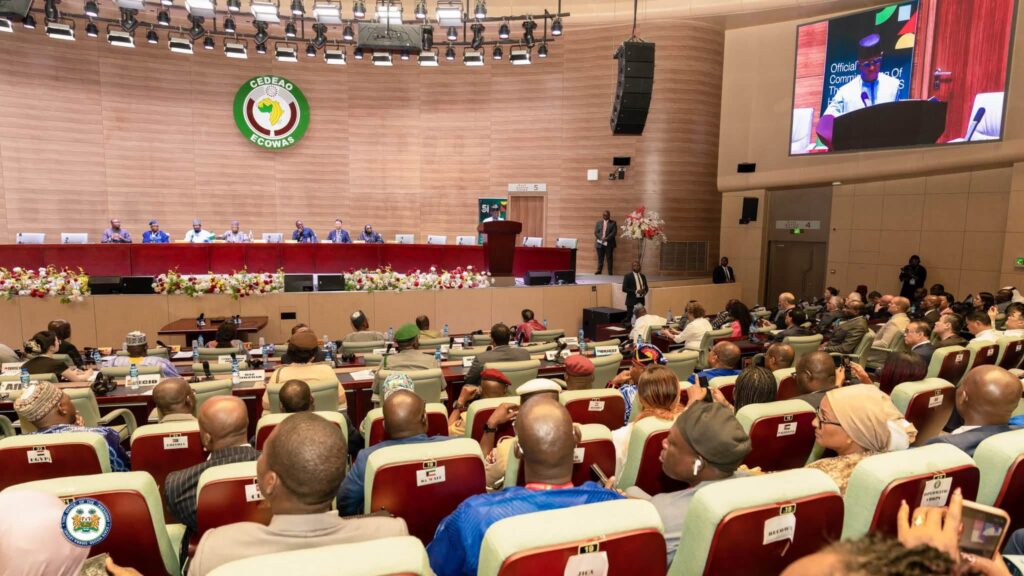
For the first time since the Economic Community of West African States (ECOWAS) was established in 1975, Sierra Leone is hosting the ECOWAS Mid-Year Summit. Over several days in this month, from 12th to 19th July, Freetown and Lungi will welcome presidents, ministers, diplomats, business leaders and regional officials from across West Africa for one of the bloc’s most important annual meetings.
For many Sierra Leoneans and West African citizens, the summit may appear to be another high-profile diplomatic event. But the decisions taken during these meetings can have real consequences for security, trade, travel, jobs and the country’s standing in the region.
Let’s start with the regional bloc, ECOWAS. What is it really? If you’re reading this, you probably know already. The Economic Community of West African States (ECOWAS) is a regional organisation established in 1975 to promote economic integration, peace, security and cooperation among West African countries. Today, following the withdrawal of Burkina Faso, Mali and Niger in 2025, the bloc comprises 12 member states stretching from Cabo Verde/Cape Verde (remember them from their historic performance at the 2026 World Cup?) to Nigeria. Together, these countries are home to more than 400 million people. Although many people associate ECOWAS with politics and diplomacy, its work touches everyday life. The organisation helps coordinate regional responses to conflicts and terrorism, promotes trade between member states, facilitates the free movement of citizens across borders and develops common policies on issues ranging from infrastructure to health.
And what is this Mid-Year Summit that is on every government official’s lips? Well, the Mid-Year Summit is a high-level meeting that allows ECOWAS leaders to assess progress on decisions made earlier in the year, address emerging challenges and prepare recommendations for the Authority of Heads of State and Government. The Authority of Heads of State and Government is the group of ECOWAS Presidents. It is the organisation’s highest decision-making body.
Rather than creating entirely new policies, the summit is largely about reviewing implementation, coordinating regional action and ensuring member states remain aligned on pressing issues affecting West Africa. It also includes ministerial meetings, technical sessions and discussions among senior officials before heads of state meet to take key decisions.
Such high-level meetings usually have a packed agenda. Several major issues are expected to feature prominently. From regional security, democracy and governance to economic integration and development.
The final communiqué issued at the end of the summit will outline the key decisions reached by member states and indicate ECOWAS’ priorities going forward.
If you’re in Sierra Leone, the natural question that comes up is, “Why does this matter?” Well, this year’s gathering is happening in Freetown and Lungi, and it’s in fact historic for Sierra Leone. Not only is it the first time the country has hosted the ECOWAS Mid-Year Summit, but it also comes while President Julius Maada Bio serves as Chair of the ECOWAS Authority of Heads of State and Government. The summit places Sierra Leone at the centre of regional diplomacy at a time when West Africa is confronting some of its most complex political and security challenges in decades.
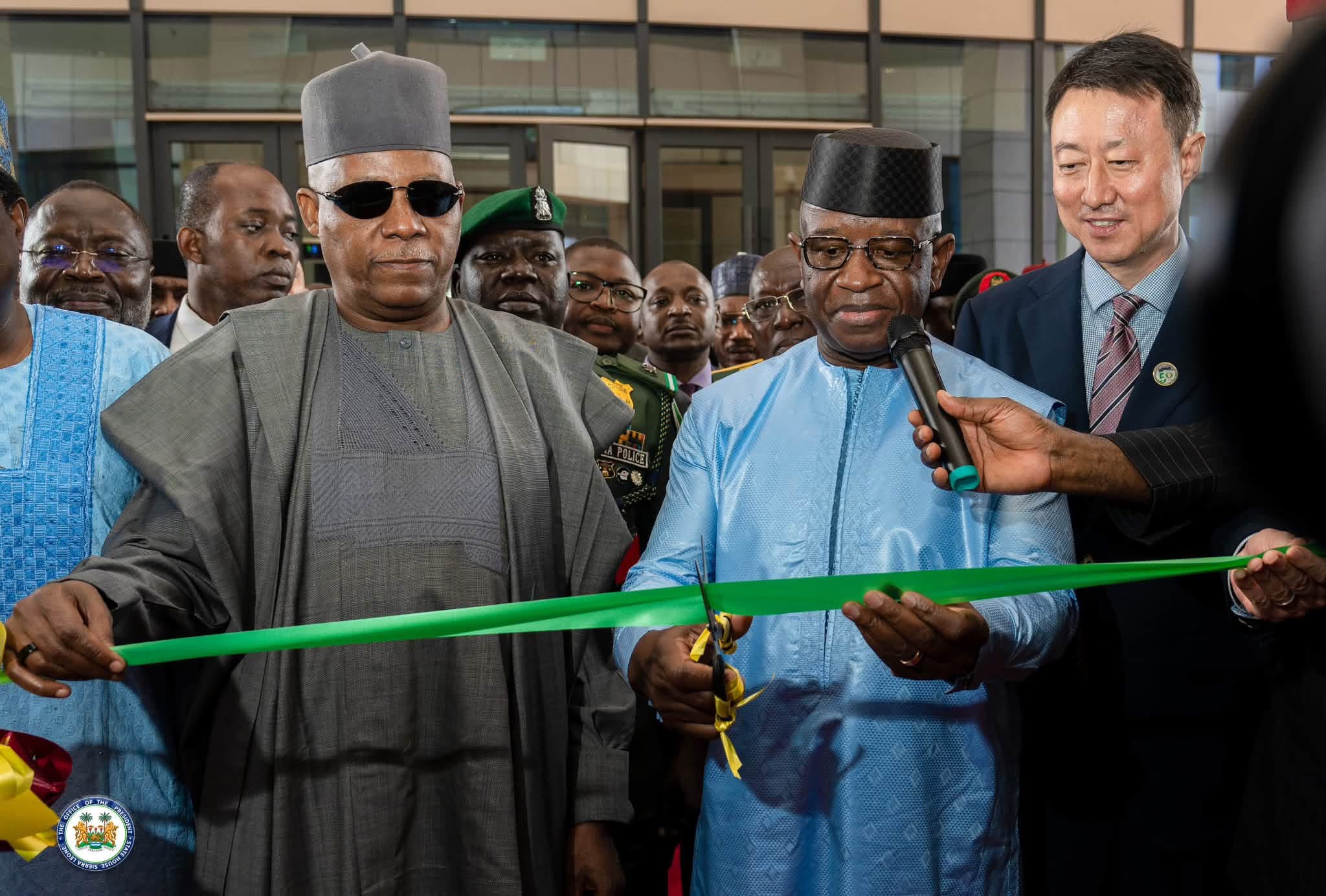
Hosting the summit provides Sierra Leone with an opportunity to showcase itself as a destination capable of organising major international events, while highlighting national priorities before regional leaders and development partners. But hosting a major international summit is also expensive, and at a time when citizens complain about hardship, it’s a decision that has sparked debates. It requires investment in security, transport, accommodation, conference facilities, logistics and protocol. In fact, a brand-new international conference center has just been built to host the heads of state and other dignitaries who will be flying in.
Critics question whether a country facing persistent economic hardship should devote significant public resources to a diplomatic event when many citizens continue to struggle with rising food prices, unreliable electricity, limited access to quality healthcare, inadequate water supply and high youth unemployment. They argue that government spending is ultimately about priorities, and every Leone spent on hosting the summit is money that cannot be spent elsewhere.
Another concern is transparency. Civil society voices and commentators have called for the government to publish a comprehensive breakdown of the summit’s costs, including procurement processes, infrastructure contracts and the expected long-term benefits. They argue that citizens should be able to scrutinise how public money is being spent, particularly during a period of fiscal pressure.
The government, on the other hand, maintains that the spending should be viewed as an investment rather than simply an expense. Officials argue that new conference facilities and enhanced hospitality capacity will continue to benefit Sierra Leone long after regional leaders have departed. They also point to the country’s opportunity to attract investors, strengthen diplomatic relationships and raise its international profile.